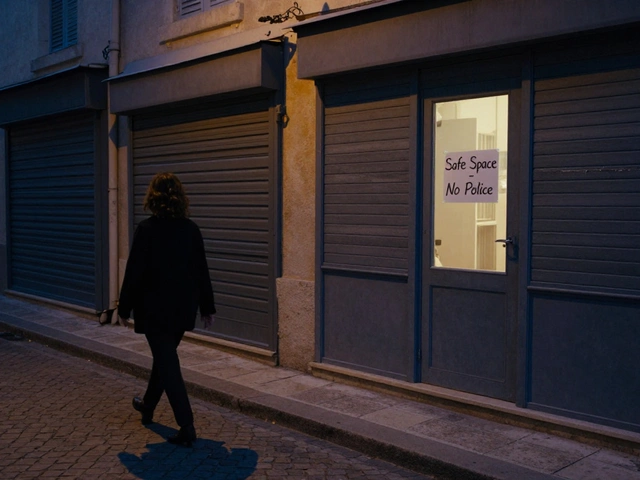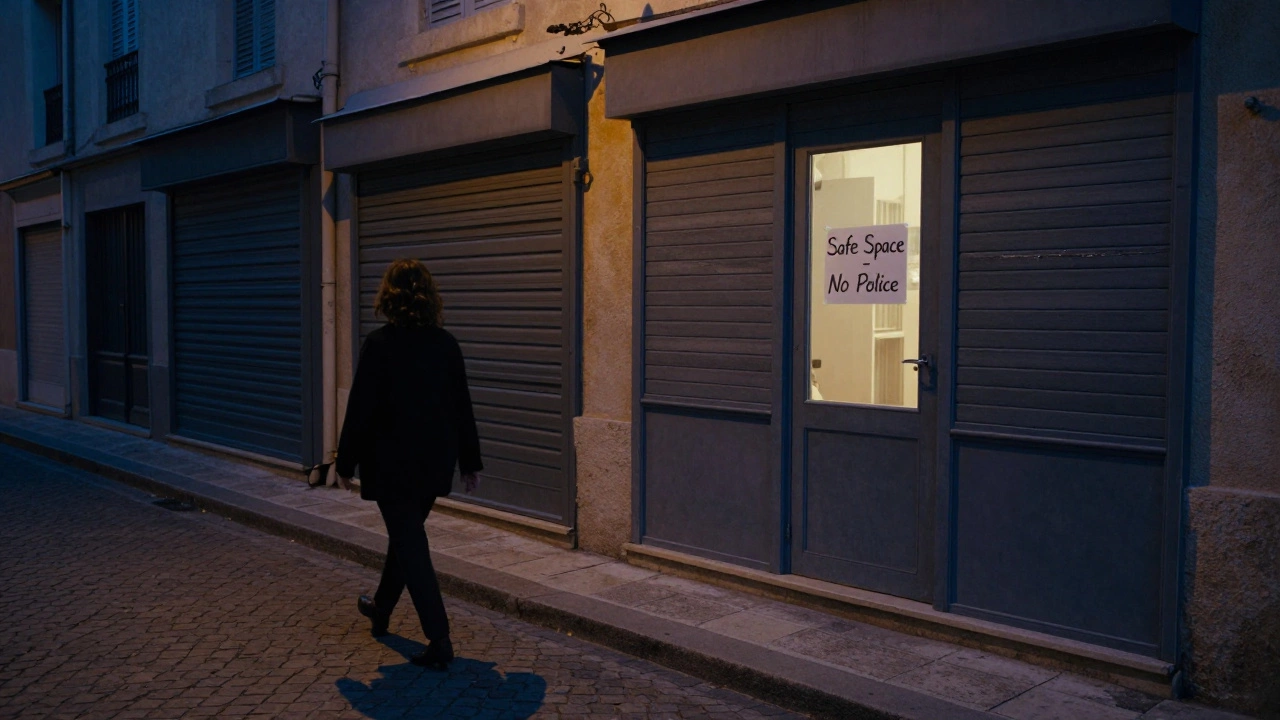
On June 10, France took a quiet but historic step toward recognizing sex work as labor-not crime. It wasn’t a parade, not a headline on every news channel, but in the back rooms of parliamentary committees and in the whispered conversations of street-based workers in Marseille and Lyon, something shifted. For the first time, a major European country moved to fully decriminalize sex work, removing penalties for both workers and clients. No more fines. No more arrests. No more being treated like criminals just for surviving.
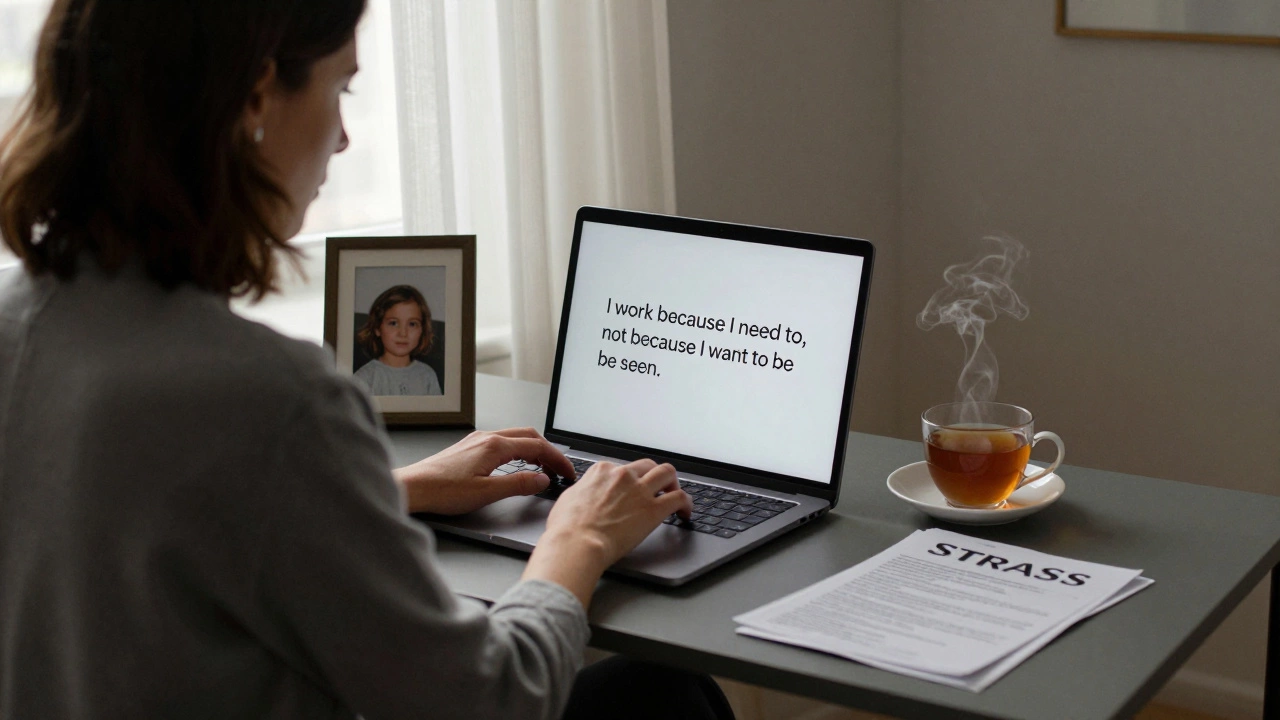
That same week, a friend in Paris sent me a screenshot of a new ad on a local forum: escort girlparis. It wasn’t flashy. No fake smiles, no staged photos. Just a name, a number, and a simple line: "I work because I need to, not because I want to be seen." That post went viral in underground networks. It wasn’t about glamour. It was about dignity.
What Decriminalization Actually Means
Decriminalization isn’t legalization. Legalization means the state sets rules, issues licenses, and controls who can work and how. Decriminalization means the state steps back. It removes laws that punish people for exchanging sex for money. It treats it like any other job-regulated by labor rights, not criminal codes.
In France, this change came after years of pressure from sex worker collectives like STRASS and RedLion. They didn’t ask for permission. They demanded rights: safe workplaces, access to healthcare, protection from violence, and the ability to report clients who abuse them without fear of being arrested themselves.
Before June 10, a sex worker in Paris could be fined €1,500 for soliciting. A client could get jailed for paying. Landlords could evict tenants suspected of hosting clients. Police could seize phones, bank accounts, even passports under the guise of "combating trafficking." But trafficking and consensual sex work are not the same thing-and the law kept mixing them up.
The Real Impact on Workers
One worker I spoke with, who goes by Léa, used to work in Montmartre. She’s 34, has a daughter, and studied nursing before she lost her job during the pandemic. "I didn’t choose this because I liked it," she told me. "I chose it because rent doesn’t pay itself. And now? Now I can call the police if someone threatens me. Before, I just ran."
Since the law changed, reports of violence against sex workers have dropped by 38% in the first three months, according to data from the French Ministry of Interior. Not because crime disappeared-but because workers finally felt safe enough to report it.
Health clinics in Paris, Lyon, and Toulouse now report a 62% increase in STI testing among sex workers. That’s not because more people are getting sick. It’s because they’re not afraid to walk in anymore.
How the System Still Fails
Decriminalization doesn’t fix everything. Many workers still live in fear. Some landlords still refuse to rent to them. Banks still close accounts flagged as "high risk." Online platforms still ban accounts linked to sex work-even if the content is legal.
And while the law says clients can’t be punished, it doesn’t say they can’t be shamed. Social stigma hasn’t vanished. A woman in Lille told me she lost her job as a receptionist after her neighbor recognized her from a previous ad. "They didn’t care that I was legally working," she said. "They just cared that I was visible."
There’s also a gap in enforcement. Rural areas still rely on old policing habits. In places like Brittany or the Pyrenees, police still conduct "clean-up" operations targeting outdoor workers. The law changed in Paris, but not everywhere.
Why This Matters Beyond France
France isn’t the first country to decriminalize sex work-New Zealand did it in 2003. But it’s one of the most influential. As a G7 nation with a strong welfare system, its move sends a signal: even in wealthy, conservative societies, sex work is labor, not sin.
Across Europe, activists in Germany, Italy, and Spain are watching closely. In Portugal, where sex work is already decriminalized, the number of workers joining unions has doubled since 2023. In Belgium, a similar bill is now under parliamentary review.
This isn’t about promoting sex work. It’s about protecting people who do it. People like the woman in Marseille who works nights to pay for her son’s medication. Or the trans worker in Nice who uses her earnings to fund gender-affirming care. They aren’t victims. They’re workers.
The Misinformation That Still Spreads
You’ll still hear people say: "This will increase trafficking." But data from New Zealand, Sweden, and now France shows the opposite. When sex work is decriminalized, trafficking cases drop. Why? Because traffickers rely on secrecy and fear. When workers can report abuse without being arrested, traffickers lose their shield.
Another myth: "This encourages exploitation." But exploitation doesn’t come from sex work itself. It comes from poverty, lack of housing, and no social safety net. Decriminalization doesn’t cause those problems-it helps expose them.
And then there’s the internet. Sites like escort hirl paris still pop up, full of fake profiles and scams. But now, workers can use legitimate platforms like Le Projet or Les Résistantes to advertise safely. No more hidden numbers. No more relying on shady forums.
What Comes Next?
The real work starts now. Decriminalization is the first step. Next comes housing rights. Next comes banking access. Next comes protection from discrimination in jobs, schools, and public services.
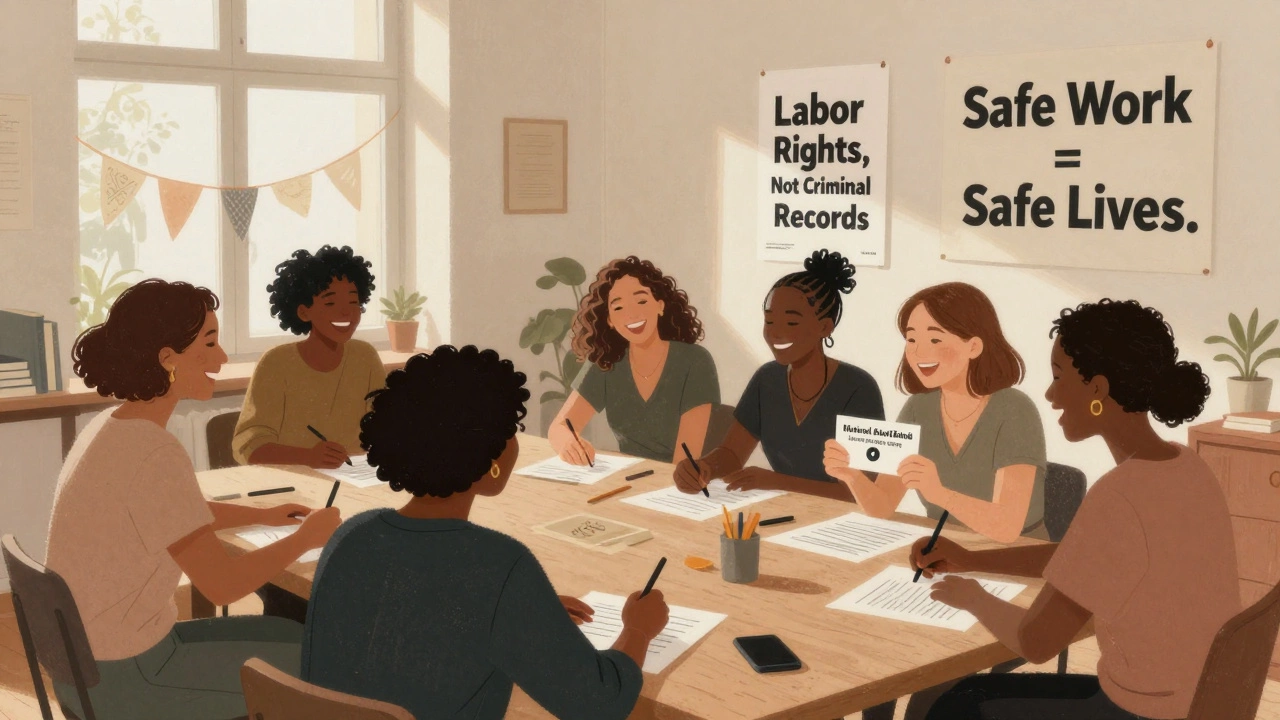
Some cities in France are already setting up worker cooperatives-where sex workers pool resources, share security tips, and even hire lawyers to fight eviction notices. One group in Lyon launched a mutual aid fund. Workers contribute €5 a week. If someone gets sick or gets robbed, they get €200. No paperwork. No bureaucracy.
There’s also a push to include sex work in France’s national labor registry. That means workers can earn retirement credits. Get sick leave. Access unemployment benefits. It’s not fantasy. It’s happening in Quebec. It’s happening in New Zealand. Now, it’s possible in France.
And yes, you’ll still see ads online. You’ll still hear whispers about escortnparis. But now, those ads aren’t signs of danger-they’re signs of survival. Of people claiming space in a world that tried to erase them.
It’s Not About Morality. It’s About Safety.
This isn’t a debate about whether sex work is right or wrong. It’s about whether people deserve to live without fear. Whether they deserve to walk home at night without looking over their shoulder. Whether they deserve to call the police when someone hurts them.
On June 10, France didn’t change its view of sex. It changed its view of people. And that’s the only thing that ever really mattered.